Everything you need to know about ISPM-15 compliant packaging for international wood shipments.
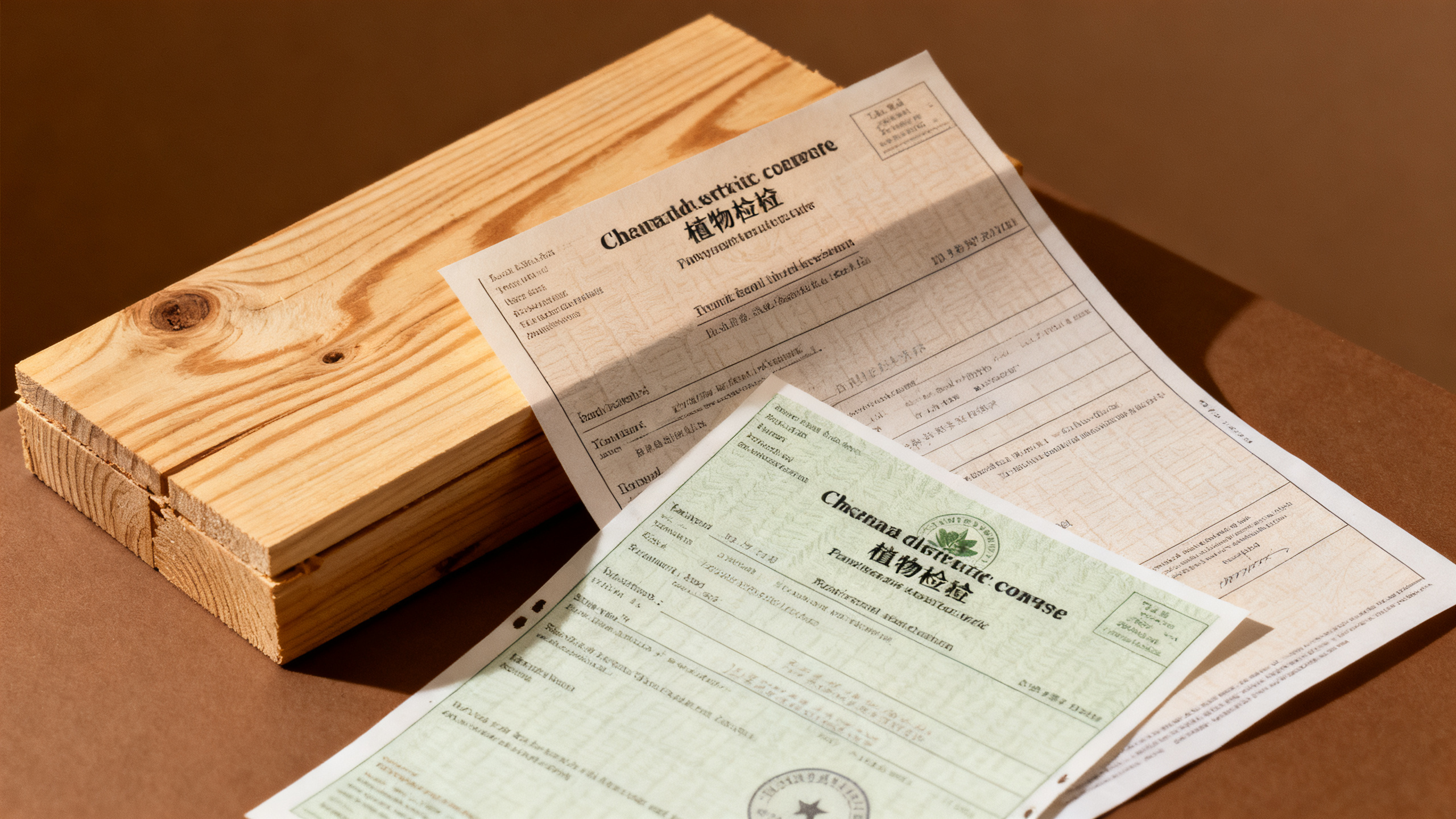
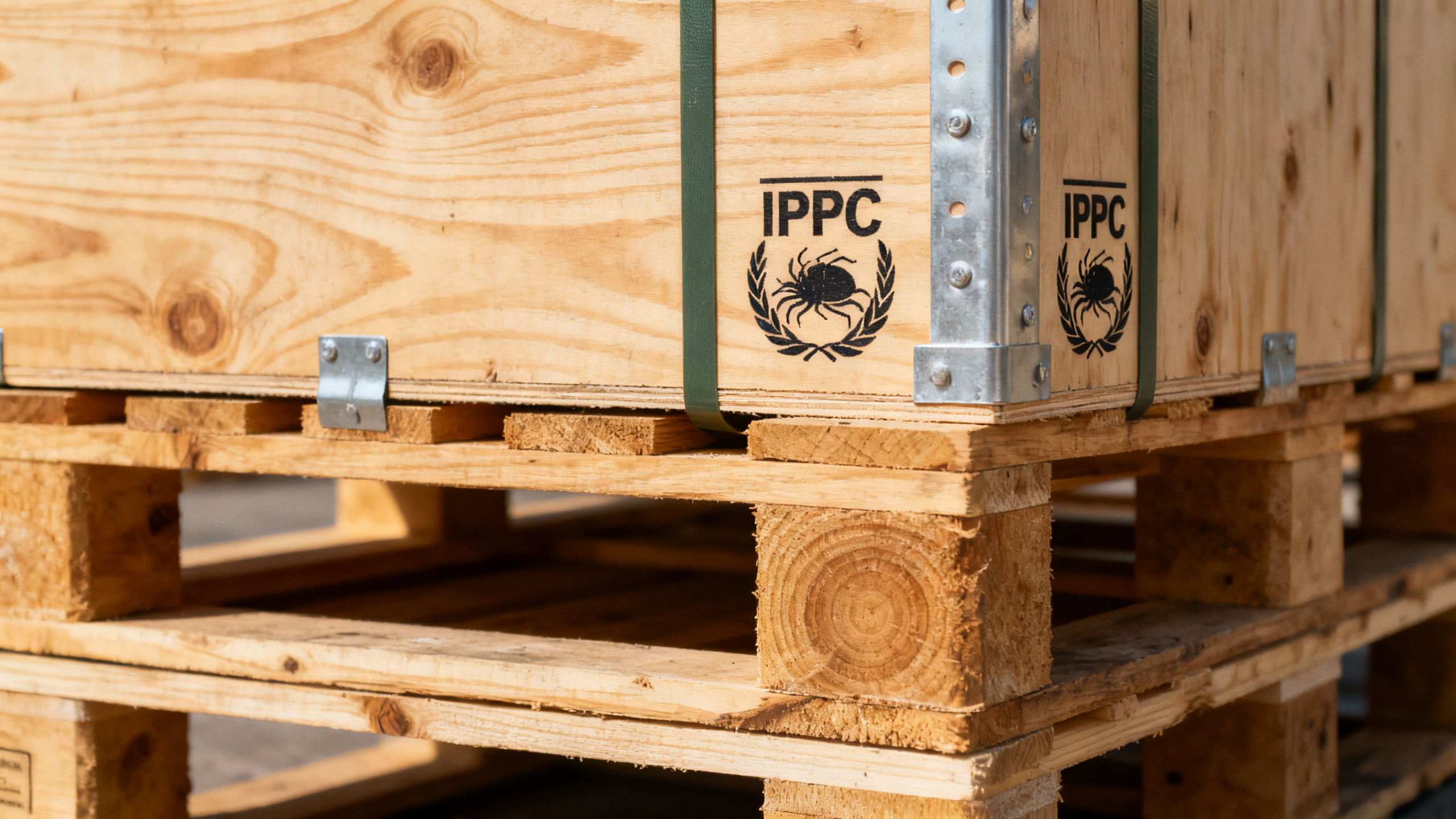
ISPM-15 (International Standards for Phytosanitary Measures No. 15) is the international regulation governing wood packaging materials in global trade. For wholesale buyers importing wooden pet urns, understanding IPPC packaging requirements is essential — non-compliant packaging is one of the most common causes of customs delays, treatment fees, and shipment rejection at U.S. and Canadian ports. This article explains what ISPM-15 requires, how to verify compliance, and what documentation to request from your Chinese manufacturer. ISPM-15 applies to all wood packaging materials used in international shipments, including pallets, crates, boxes, dunnage, and any other wooden material used to support, protect, or carry goods during transport. The regulation requires that all such packaging be treated using an approved method — either heat treatment (HT) or methyl bromide fumigation (MB) — and marked with the official IPPC logo. The purpose of this requirement is to prevent the international spread of forest pests that can hitch a ride in untreated wood packaging. The IPPC mark must contain specific information: the IPPC logo (a stylized wheat sheaf within a circle), the two-letter ISO country code (CN for China), the treatment provider's unique registration number, and the treatment code (HT or MB). Heat treatment is the preferred method for environmental reasons, as methyl bromide is an ozone-depleting substance that is being phased out under the Montreal Protocol. All of our export packaging uses heat-treated wood with the proper IPPC marking. For buyers, the first step in ensuring packaging compliance is to confirm with your supplier that all wood packaging used for your shipment is ISPM-15 compliant and properly marked. This includes not only the outer crates and pallets but also any internal wood bracing, dividers, or dunnage. A common oversight is when the outer pallet is compliant but internal wood components are not, which can still trigger customs issues. The second step is to request the IPPC packaging declaration or certificate from your supplier. This document confirms that all wood packaging in the shipment has been treated and marked in accordance with ISPM-15. The declaration should be issued by the treatment provider and include the shipment details, treatment method, and the provider's registration number. Another important consideration is the alternative of using non-wood packaging. For buyers who want to eliminate ISPM-15 concerns entirely, many suppliers — including our factory — offer packaging options that use no wood at all. These include corrugated cardboard cartons, plastic pallets, and molded pulp inserts. Non-wood packaging not only avoids ISPM-15 requirements but can also reduce shipping weight and costs. However, it may not provide the same level of protection for heavy or fragile items, so buyers should evaluate the trade-offs based on their specific products. When shipments arrive at the port of entry, customs authorities may inspect wood packaging for IPPC compliance. If non-compliant packaging is found, the shipment may be: held at the port until the packaging is treated or replaced at the importer's expense, refused entry and required to be re-exported, or destroyed. In all cases, the importer bears the cost and responsibility, making pre-shipment compliance verification critically important. To minimize risk, buyers should: confirm IPPC compliance in the purchase order contract, request IPPC declarations before shipment, visually inspect packaging upon receipt, work with suppliers experienced in North American exports, and consider non-wood packaging alternatives when appropriate. By taking these steps, buyers can avoid the significant costs and delays associated with non-compliant wood packaging. In summary, ISPM-15 compliance is a non-negotiable requirement for international wood product shipments. Buyers who understand the requirements, verify supplier compliance, and obtain proper documentation will experience smoother customs clearance and avoid costly delays. Our factory is fully ISPM-15 compliant and provides all required IPPC documentation with every export shipment.
Key Takeaways
- ✓Growing demand for eco-friendly and personalized pet memorial products in North America.
- ✓Full export compliance documentation is essential for smooth customs clearance.
- ✓Kiln-dried pine with 8-12% moisture ensures quality and reduces returns for Amazon sellers.
- ✓Partnering with a certified Cao County factory streamlines your supply chain and reduces risk.